What Small Businesses In London Actually Need To Know Before Buying Pallets
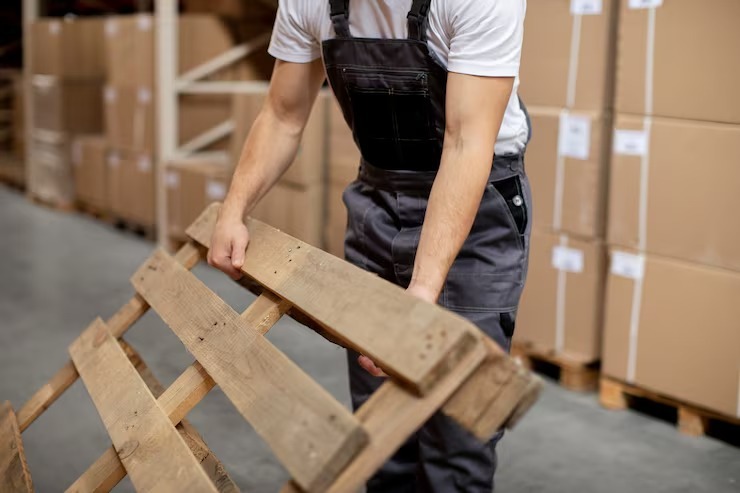
Most small business owners do not spend much time thinking about pallets until something goes wrong.
A delivery of stock arrives on a broken one and tips over. A supplier sends the wrong size and the racking does not fit. A collection gets missed and suddenly the loading bay is full of timber with nowhere to go. It is only at that point that the pallet, usually one of the most overlooked parts of running a product-based business, demands some attention.
The good news is that getting it right is not complicated. It just requires knowing a few things that most people are never told.
There Is No Such Thing As One Standard Pallet
The idea that a pallet is a pallet catches a lot of people out. In practice, the market offers a wide range of types, and choosing the wrong one can create problems that cost more to fix than the pallets themselves.
The two most common formats in London and across the UK are the standard UK pallet, which measures 1,200mm by 1,000mm, and the Euro pallet at 1,200mm by 800mm. The Euro pallet is narrower, which matters if you are working with European suppliers or trying to fit more onto a lorry. Many warehouses and storage facilities are built around one or the other, so it is worth knowing which format your operation is designed for before you order.
Beyond size, load capacity changes everything. A lightweight Euro pallet works well for goods that are not particularly heavy, where the priority is easy handling and quick movement. A heavy-weight strapper pallet is a different product entirely, designed for dense, heavy loads that would crack a lighter board. Buying the cheaper option for the wrong job is a false economy.
Condition matters too. Grade A pallets are close to new, reliable, and appropriate for businesses where presentation or hygiene plays a role. Grade B pallets carry more wear but remain structurally sound and cost less, making them a sensible choice when pallets are heading out on a one-way trip and will not be returned. There are also specialist formats, including printer pallets, plastic pallets for food and pharmaceutical environments, and pallet tops for adding a clean surface layer when needed.
Why Buying Local Makes More Sense Than It Used To
The pandemic years changed how a lot of businesses in London think about their supply chains. Long lead times and unreliable deliveries pushed many operators to look closer to home for the basics, and pallets were no exception.
Working with a local or regional supplier has real advantages. Delivery times are shorter and more predictable. It is easier to communicate when requirements change. And for businesses that generate used pallets regularly, a local provider is far more likely to offer a collection service, which removes the cost and hassle of disposal.
Anyone sourcing pallets london wide will find that the most practical suppliers tend to be the ones who can handle the full picture: delivery of new stock, collection of used or broken pallets, and recycling of timber that has reached the end of its working life.
The Environmental Side of It
Timber recycling is no longer just a nice-to-have for businesses that want to reduce waste. For many London businesses, it is becoming a direct operational concern, particularly as sustainability reporting expectations increase across supply chains.
Wooden pallets have a reasonable environmental profile when they are managed well. A quality pallet can be repaired and reused multiple times before it reaches the end of its life, and the timber can be shredded and processed when it does. The problem arises when pallets are simply stockpiled, skip-hired, or sent to landfill because no one has a plan for them.
A supplier who offers a timber recycling service alongside standard collection closes that loop without the business having to manage it separately. For smaller operators without dedicated waste management processes, that kind of joined-up service is worth factoring into the decision.
Making The Right Choice
Pallets sit at the practical heart of how goods move. They are not glamorous, and they are not something most business owners want to spend time researching. But the difference between a supplier who understands your operation and one who simply fulfils an order can show up in ways that matter: fewer damaged loads, fewer delays, less waste, and fewer unexpected costs.
The businesses that tend to get this right are the ones that treat pallets as a small but serious logistics decision rather than an afterthought. That usually means finding a supplier who can offer the right type, deliver reliably, and take the old ones away when the time comes.